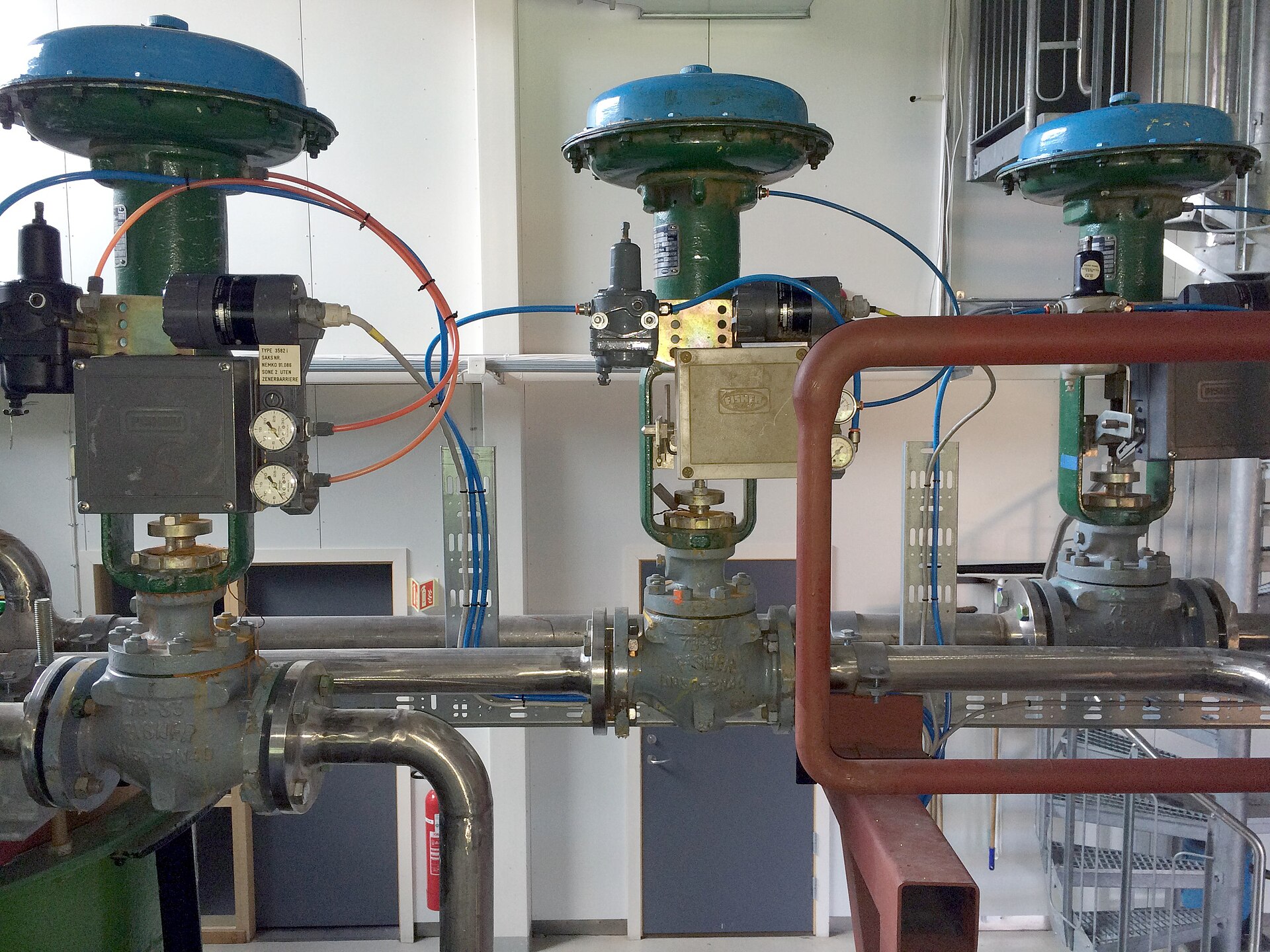
Pneumatic control valves with actuators for pneumatic valve vs electric valve comparison
Selection

Pneumatic Valve vs Electric Valve: How to Choose

IntroductionWhen automating industrial valve operations, the choice between a pneumatic actuator and an electric actuator is one of the most consequential decisions in process engineering. Both technologies achieve the same basic objective — opening, closing, or modulating a valve without manual intervention — but they do so through fundamentally different mechanisms, with different strengths, limitations,

CF8M vs SS316 vs SS304 stainless steel ball valve material selection guide for industrial procurement
Selection

CF8M vs SS316 vs SS304: Stainless Steel Ball Valve Material Selection Guide

Introduction When specifying stainless steel ball valves, three material designations appear on nearly every datasheet and purchase order: SS304, SS316, and CF8M. For procurement engineers and project buyers, understanding the differences between these materials — and knowing where each belongs in a piping system — is essential for making cost-effective, technically compliant valve selections. This guide explains what

API 600 vs API 602 vs API 603 gate valve standards comparison guide for industrial procurement
Selection, Application, Materials, Pain-points

API 600 vs API 602 vs API 603: The Complete Guide to Gate Valve Standards for Industrial Procurement

When sourcing industrial gate valves, three API standards define the global benchmark: API 600, API 602, and API 603. Each serves a distinct purpose — from large-bore high-pressure refinery pipelines to compact small-bore instrument lines and corrosion-resistant stainless steel applications. This guide breaks down the scope, design requirements, and key differences of all three standards, with a practical comparison table and actionable procurement guidance to help engineers and buyers select the right valve for every service condition.

Selection, Materials, Pain-points

Beyond the Visible Leak: What Are Fugitive Emissions and How to Control Them

Fugitive emissions in industrial valves account for approximately 62% of uncontrolled volatile organic compound (VOC) leaks in modern process plants. This technical guide outlines the core mechanics of fugitive leaks, pinpointing critical application areas such as methane handling, hydrogen transport, and thermal cycling. It contrasts prevailing regulatory testing frameworks (API 624/641 and ISO 15848) and delivers actionable engineering control methodologies, including live-loaded packing (LLP) and bellows seals. Finally, it translates these technical parameters into a strategic Total Cost of Ownership (TCO) procurement blueprint, equipping sourcing professionals to mitigate environmental, financial, and HSE liabilities effectively.

Scroll to Top

Get Your Free Technical Guide & Price List

* The data you provide will be used solely for processing your business inquiries and deliver-ing professionaltechnical support. We hereby commit that your information will never besold or disclosed to any third party, andthat it will be strictly protected in accordance withapplicable privacy standards. You may contact us at any time
to update or request the dele-tion of your personal information.