
Knowledge Center

Categories

Picture of Vance Zhang

Vance Zhang

M.Sc.,Politecnico di Milano

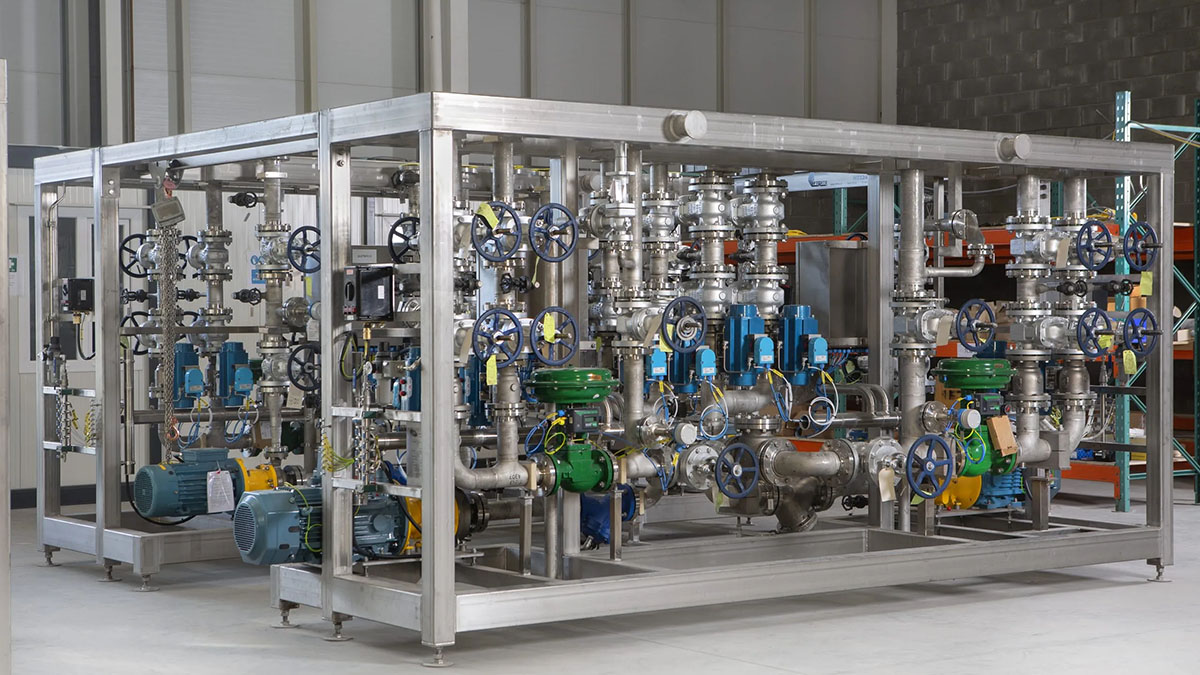
Industrial piping skid showing various manual handwheel valves and pneumatic control valves matching P&ID layouts

P&ID Valve Symbols and Engineering Meanings

This technical article details the direct relationship between graphical valve symbols on P&IDs and their actual mechanical operations within fluid systems. It covers the flow path logic and internal mechanics of isolation valves (gate, ball, butterfly), throttling valves (globe, needle), and system protection devices (check and pressure safety valves). Furthermore, the text breaks down the symbols for automated actuators (pneumatic, electric, solenoid) along with system fail-safe behaviors (Fail Open / Fail Closed), providing a clear graphical-to-physical cross-reference for industrial piping layouts.

Read More »
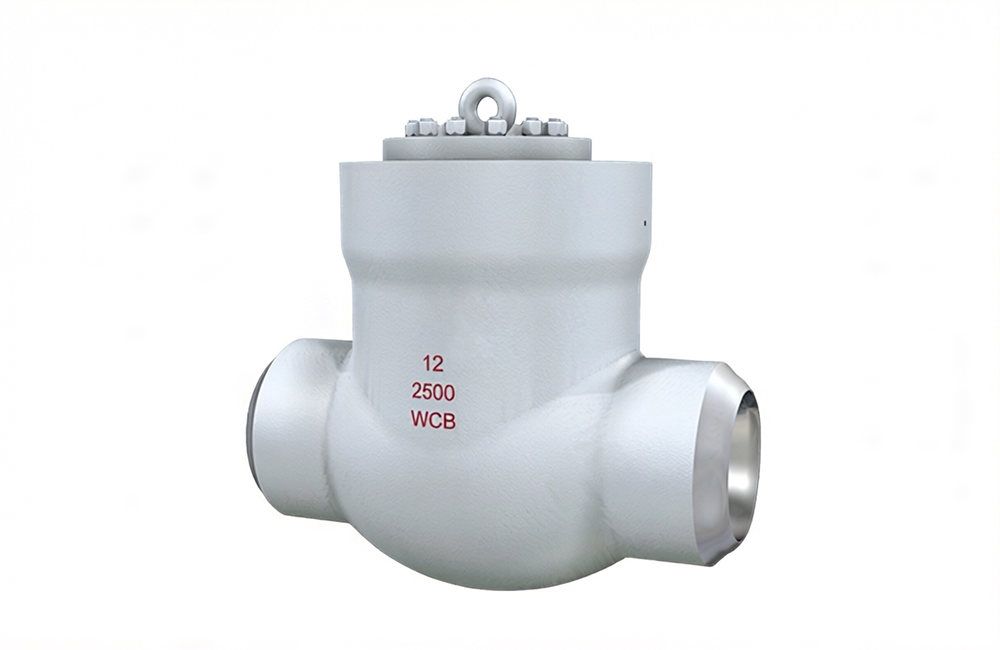
VODEX ASME Class 150-2500 Lb H64H/W/Y series swing check valve for power station piping systems

Check Valves: Operating Principles and Type Classifications

As a critical self-actuated valve for preventing backflow in industrial piping systems, the operational reliability of check valves depends heavily on the precise matching between internal structure and actual working conditions. This article systematically dissects the internal structure and operating mechanics of four mainstream check valve types: swing, lift, dual plate, and ball check valves. It analyzes the selection advantages and application limitations of each type under varying conditions of bore size, pressure, medium viscosity, and flow velocity gradients. Furthermore, it provides scientific selection strategies and installation guidelines for typical industrial scenarios such as high-lift pump discharge, low-flow conditions, vertical downward pipelines, and high-viscosity media. The aim is to help engineers achieve precise selection and long-term reliable operation of check valves based on the fundamentals of fluid mechanics.

Read More »
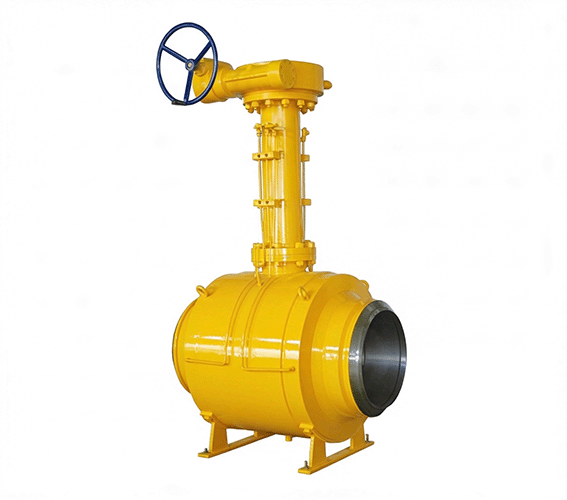
Vodex Q367F large diameter fully welded ball valve with butt welded ends designed for high pressure natural gas transmission pipelines.

Fully Welded Ball Valves: Design and Selection Guide

A technical overview of fully welded ball valves featuring high-integrity butt-welding connections. This guide delivers a structured analysis of their robust one-piece body design, dual-isolation sealing mechanics, and direct underground burial capabilities, providing pipeline engineers with essential criteria for long-term operational safety and lifecycle asset management under high-pressure conditions.

Read More »
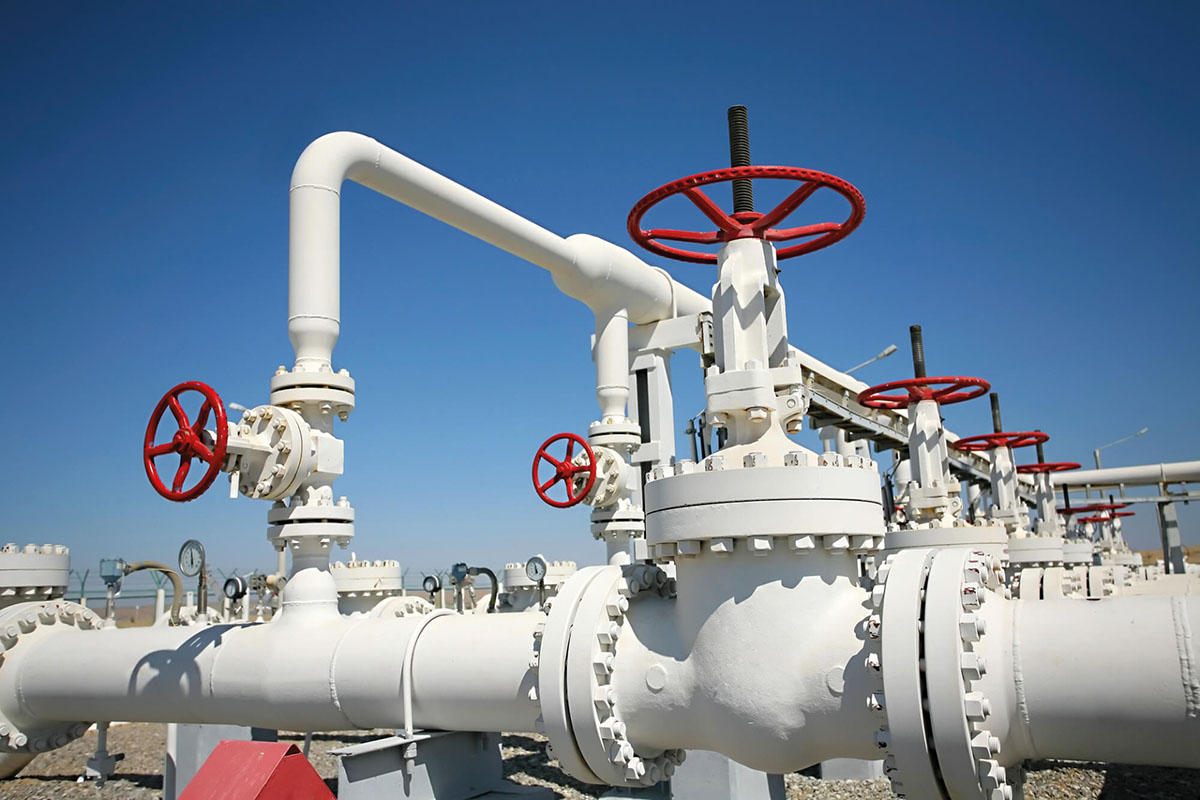
High-pressure through-conduit gate valves installed on a natural gas pipeline station.

Key Technical Features of Natural Gas Valves

This article provides a rigorous analysis of natural gas valves engineered to withstand volatile operating conditions characterized by small-molecule gas permeability, high flammability, and hydrogen sulfide corrosion. It delivers a technical evaluation of four primary valve types—trunnion ball valves, through-conduit gate valves, lubricated plug valves, and self-acting slam-shut valves—while detailing four mandatory safety design mandates: fire-safe boundaries, blow-out-proof stems, anti-static grounding, and low fugitive emissions control. Finally, a matrix of international standards including API 6D, ASME B16.34, and NACE compliance is presented to establish a cross-disciplinary engineering framework for sustainable and high-integrity gas transmission networks.

Read More »

API 600 and API 602 Gate Valves Explained: Design Differences, Applications, and Selection Criteria

Choosing between API 600 and API 602 gate valves is a critical decision in industrial piping design. While both standards are widely used for isolation service in oil and gas, petrochemical, power generation, and chemical processing applications, they are intended for different operating conditions and piping configurations. API 600 gate valves are typically cast steel valves designed for medium- and large-diameter pipelines, offering robust construction, high flow capacity, and excellent maintainability. API 602 gate valves, on the other hand, are forged steel valves primarily used in small-bore, high-pressure piping systems where compact design, mechanical strength, and pressure integrity are essential. This technical guide compares API 600 and API 602 gate valves in terms of construction, size range, pressure ratings, bonnet designs, applications, and selection criteria, helping engineers and procurement professionals choose the most suitable valve standard for their projects.

Read More »

Seeking Expert Guidance for Demanding Fluid Solutions?

* The data you provide will be used solely for processing your business inquiries and deliver-ing professionaltechnical support. We hereby commit that your information will never besold or disclosed to any third party, andthat it will be strictly protected in accordance withapplicable privacy standards. You may contact us at any time
to update or request the dele-tion of your personal information.

Scroll to Top

Get Your Free Technical Guide & Price List

* The data you provide will be used solely for processing your business inquiries and deliver-ing professionaltechnical support. We hereby commit that your information will never besold or disclosed to any third party, andthat it will be strictly protected in accordance withapplicable privacy standards. You may contact us at any time
to update or request the dele-tion of your personal information.