
In petrochemical, natural gas, and energy chemical engineering, valves serve as the “heart” of fluid control systems. However, in the event of a fire, standard industrial ball valves often fail due to the melting or carbonization of polymer seals, leading to massive media leakage and catastrophic secondary accidents. Therefore, selecting valves with Fire-Safe Certification has become a vital safeguard for facility safety and a mandatory benchmark for project compliance.
1. Primary Applications for Fire-Safe Ball Valves
The core objective of a fire-safe ball valve is to ensure reliable isolation under extreme heat. Key application fields include:
- Oil & Gas Extraction: Deployed in high-pressure wellhead equipment and Christmas tree systems to withstand extreme operational conditions.
- Refining & Petrochemicals: Essential for critical pipelines handling flammable chemicals, volatile organic compounds (VOCs), and sour gases.
- Energy Storage & Transport: Serves as a critical isolation point for LNG receiving terminals, oil tank farm loading arms, and long-distance pipelines.
- Hydrogen Infrastructure: Due to the extreme flammability of hydrogen, high-pressure storage and transport systems demand stringent fire-safety ratings and superior leak tightness.
2. Core Design Requirements: Multi-Level Fire Protection
The design essence of a fire-safe ball valve lies in its “automatic emergency response” during a fire. Beyond material selection, the following five structural features are critical for passing fire safety tests:
1. Dual Sealing Mechanism (Soft and Metal Combined)
Fire-safe ball valves utilize a redundant design that combines soft and metal seating:
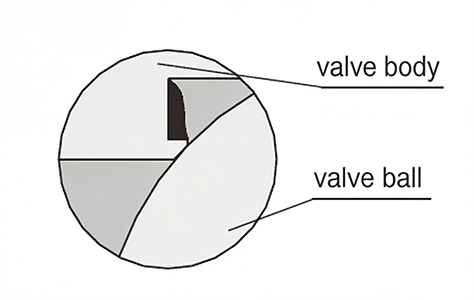
- Normal Operations: Soft seats (e.g., PTFE, PPL) provide superior sealing performance (Class VI zero leakage) at ambient temperatures, meeting modern industrial demands for energy efficiency.
- Fire Conditions: If fire causes the soft seat to melt or burn away, the valve automatically enters the “secondary sealing stage.” Under system pressure or spring loading, the ball is forced against a metal backup ring, creating a metal-to-metal seal to maintain isolation.
2. Flexible Graphite Packing System
The stuffing box is the most vulnerable point for external leakage. Fire-safe valves strictly prohibit standard polymer packing, requiring high-purity flexible graphite. Graphite offers exceptional high-temperature resistance, maintaining resilience in fire conditions to compensate for thermal expansion gaps and ensuring the long-term integrity of stem sealing.
3. Anti-Blowout Stem Design
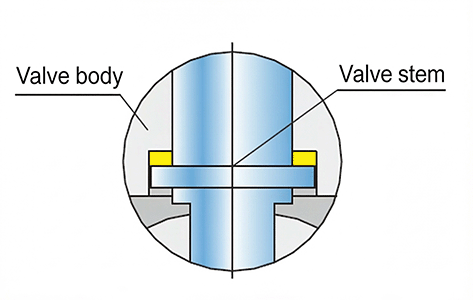
Safety is paramount. The stem features an internal shoulder, a design that ensures the stem remains locked within the valve body even if internal pressure spikes or the sealing mechanism is compromised by heat, preventing the stem from being ejected and protecting personnel.
4. Anti-Static Device
In hazardous environments, friction between the ball, stem, and body can accumulate static electricity. To prevent sparks from becoming an ignition source, fire-safe ball valves are equipped with spring-loaded plungers, ensuring static charges are instantly grounded through the valve body.
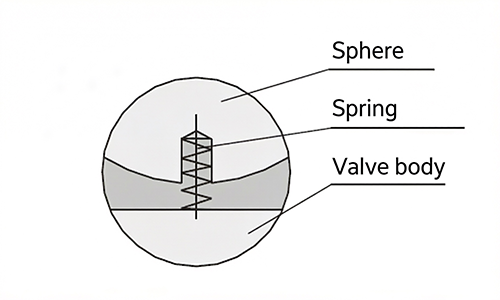
5. Self-Relieving Seats
When a valve is closed, trapped media in the cavity can expand rapidly under heat, causing internal pressure to spike far beyond line pressure. Advanced fire-safe designs incorporate relief slots in the seats to automatically discharge excess cavity pressure to the upstream or downstream pipeline, preventing valve body rupture due to over-pressurization.
3. Mandatory International Standards and Compliance
When selecting equipment, do not rely solely on brochures; demand proof of compliance through authoritative testing:
- API 607: The industry-standard fire test for quarter-turn valves (ball, butterfly) and valves with non-metallic seats.
- API 6FA: Fire test specifications for heavy-duty, high-pressure valves under the API 6A/6D framework.
- ISO 10497: An internationally recognized fire-type testing standard for valves, often equivalent to or more stringent than API.
Selection Note: Any reputable supplier must provide a Fire-Safe Certificate issued by an authoritative third-party laboratory for the specific valve model. Always verify the test date, pressure ratings, and compliance with your project’s safety requirements; this documentation is mandatory for project commissioning.
If you are currently selecting valves for a project or require certification for API 6D/607 standard valves, please feel free to contact us. We provide professional selection consultation and official fire test reports to ensure your energy project remains safe and compliant.