Industrial pipeline system under extreme fire testing conditions complying with API 607, API 6FA, and ISO 10497 standards
Application, Selection

How to Specify Fire-Safe Valves: API 607 vs. API 6FA vs. ISO 10497

Evaluating valve fire-test standards is critical for safety compliance in high-risk oil, gas, and petrochemical projects. This technical article clarifies the core distinctions between API 607, API 6FA, and ISO 10497. By breaking down their targeted seat materials (soft vs. metal), testing methodologies, and post-burn operational sequences, this guide provides a straightforward framework to help project engineers and procurement teams specify the correct fire-safe certification for their piping systems without over-specifying.

Selection

Ball Valve Selection: Full Bore or Reduced Bore?

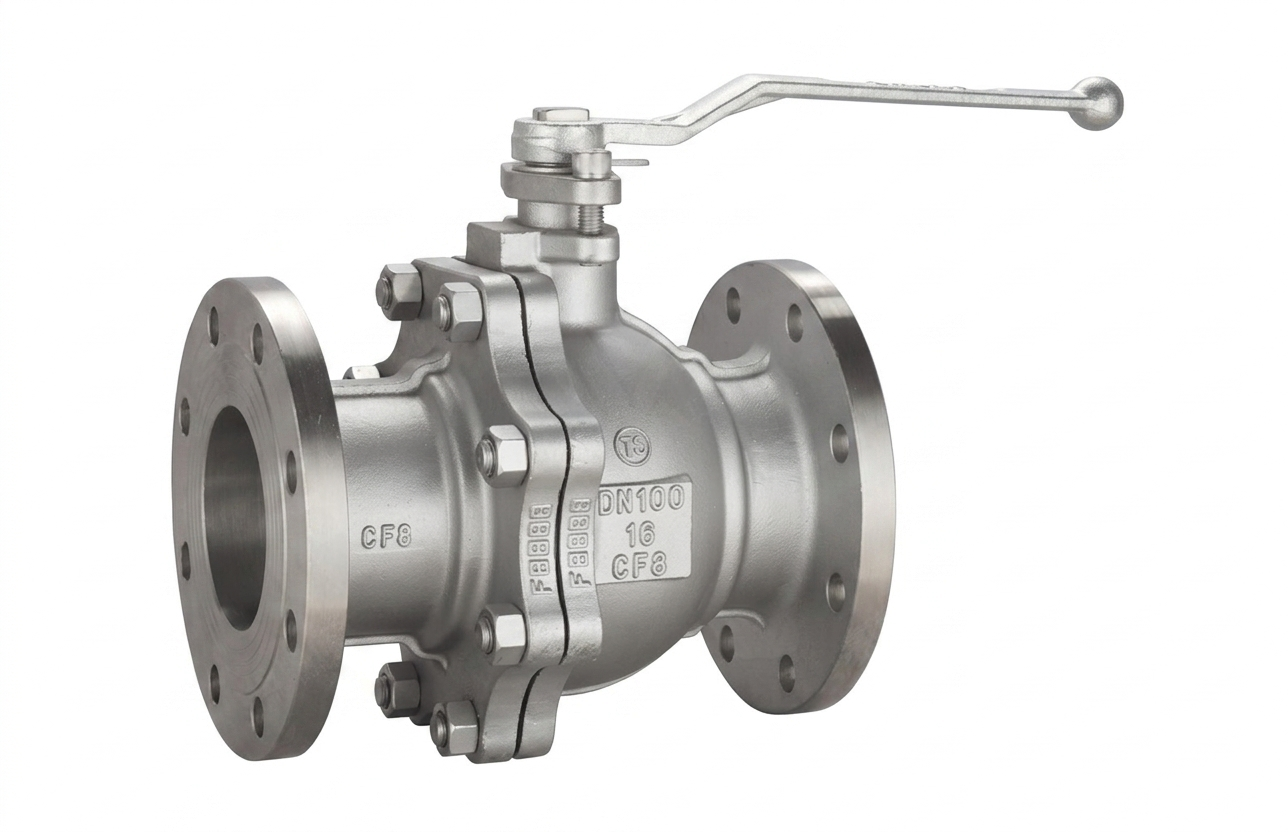
Deciding between Full Bore and Reduced Bore ball valves for your industrial piping system? This comprehensive engineering guide breaks down the technical differences in pressure drop (Cv), actuation torque, and weight. Learn how internal geometry impacts your system’s CAPEX vs. OPEX balance, media suitability, and pigging requirements to ensure optimal valve selection for your P&ID specifications.

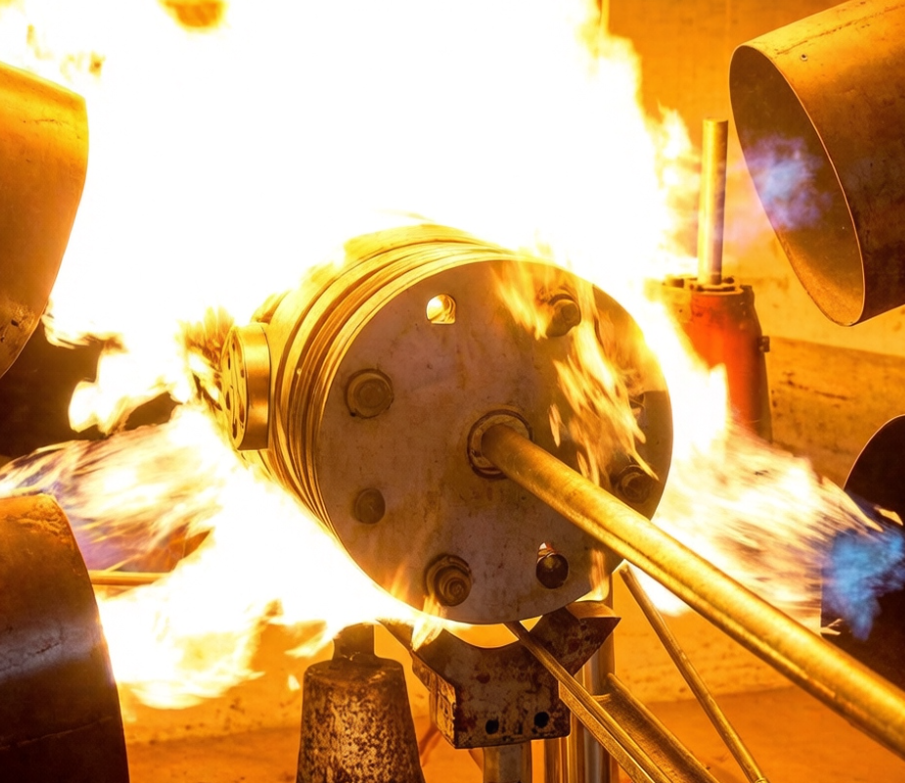
Industrial valve undergoing fire safe testing according to API 607 standards, showing high-temperature flame exposure and sealing performance verification for industrial ball valves used in oil, gas, and petrochemical applications.
Selection

Fire-Safe Ball Valve Selection: A Beginner’s Guide

Struggling with fire-safe valve selection? This guide breaks down essential design features—including dual sealing mechanisms, anti-blowout stems, and anti-static devices—required for API 607 and API 6FA compliance. Ensure your petrochemical or energy project meets international safety standards. Click to master your selection process and avoid costly compliance failures.

Selection

Ball Valve Technical & Application Guide: Construction, Classification, and Selection

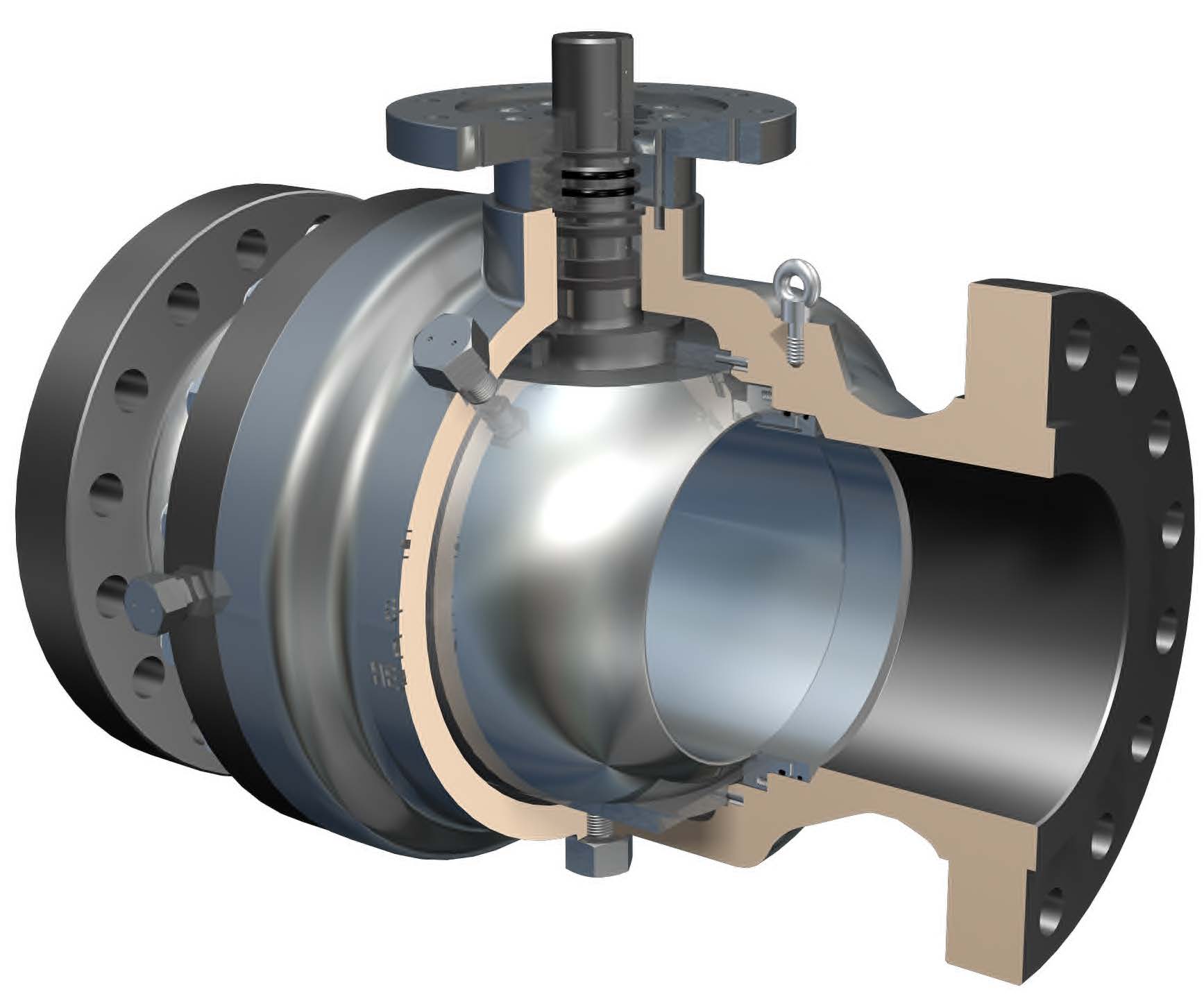
This guide starts with an analysis of the basic structure of ball valves, providing a comprehensive breakdown of the design principles behind the valve body, ball, stem, and sealing assemblies. Building on this foundation, we delve into critical sealing mechanisms such as spring-assisted preloading and the piston effect. We also systematically examine safety standards, including API 607 fire-safe certification and DIB redundant sealing, while offering a selection matrix—ranging from trunnion-mounted to lift-plug valves—to help you precisely match the right solution to demanding industrial applications.

Scroll to Top

Get Your Free Technical Guide & Price List

* The data you provide will be used solely for processing your business inquiries and deliver-ing professionaltechnical support. We hereby commit that your information will never besold or disclosed to any third party, andthat it will be strictly protected in accordance withapplicable privacy standards. You may contact us at any time
to update or request the dele-tion of your personal information.